Same Idea, Different Texts: Every Language Contains Many “Languages” Within It
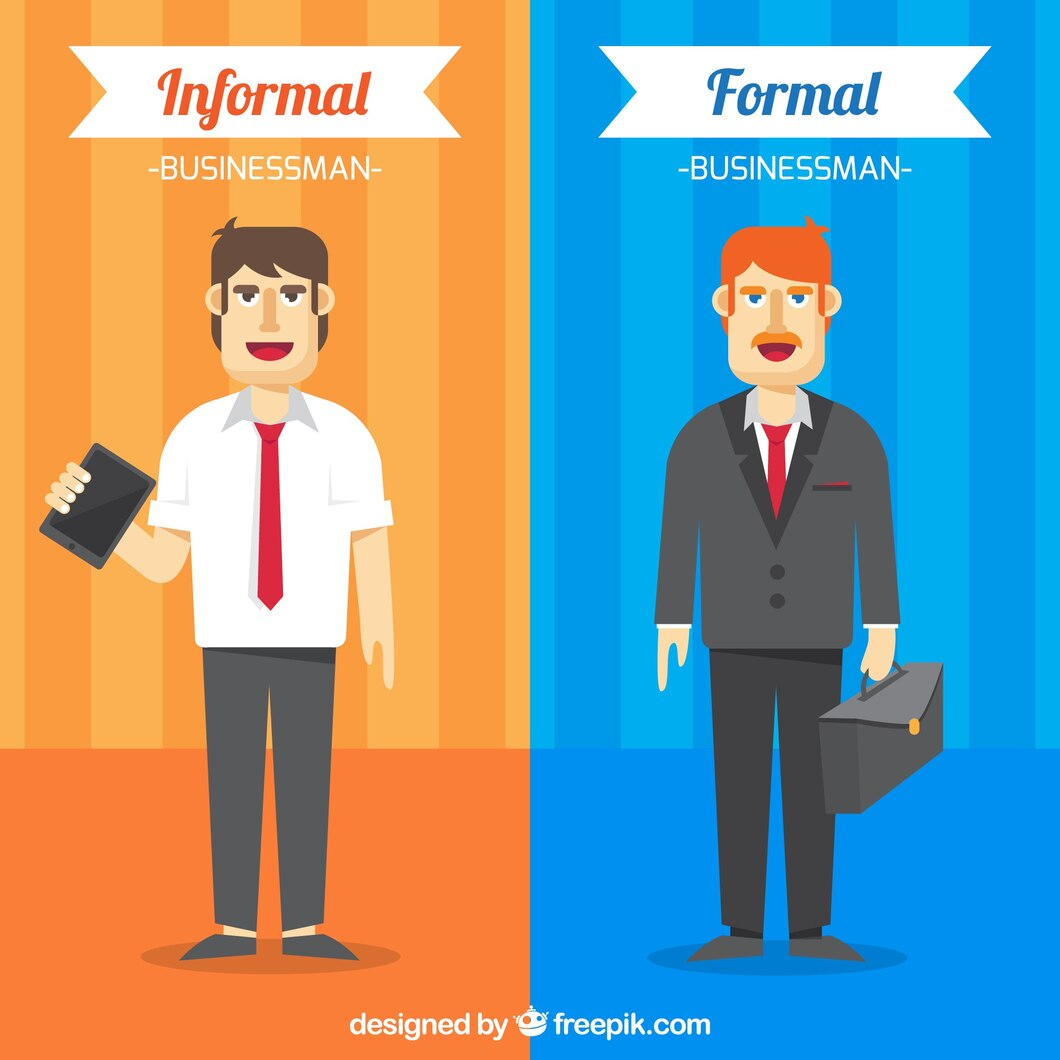
Read the texts below. They all describe the same event, but in different contexts. Notice how grammar, vocabulary, and the level of formality change depending on the situation and the audience.
A friend sent you a text message: Viu que o presidente chinês não vai baixar as tarifas de produtos americanos como o Trump quer? Resolveu que a China vai pagar para ver.
Let’s see how that fact can be communicated in different contexts:
Context: Your friend’s text message:
"Did you see that China stood up to Trump and isn’t going to lower tariffs on Chinese products? They basically said they’re calling his bluff."
Or
"Did you see China stood up to Trump? They’re not backing down on tariffs and said they’re ready to see how far he’ll go."
Context: a formal or journalistic-style version of the news:
"China has taken a firm stance against former President Trump, refusing to reduce tariffs on Chinese goods. Officials indicated they are prepared to face any resulting consequences, signaling they will not yield under pressure."
Context: A business report:
China Rejects Tariff Reductions, Signals Resolve in Trade Dispute with Trump
In a recent development in U.S.–China trade relations, Chinese authorities have made it clear they will not reduce tariffs on Chinese goods in response to pressure from former President Donald Trump. The move underscores Beijing’s firm stance and signals a willingness to endure potential economic consequences rather than make concessions. Analysts interpret the decision as a calculated message that China is prepared to hold its ground and not respond to threats with immediate compliance.
Context: A diplomatic briefing:
Briefing Note: PRC Position on Tariff Policy in Response to Former U.S. Administration Statements
The People’s Republic of China has formally indicated that it will not proceed with any reduction in tariffs on Chinese exports in response to recent statements made by former U.S. President Donald Trump. This decision reflects a consistent policy position by Chinese authorities, emphasizing economic sovereignty and strategic patience in the face of external pressure.
While not overtly confrontational, the PRC’s stance suggests a calculated readiness to absorb potential trade-related repercussions rather than engage in unilateral concessions. Beijing’s messaging implies a preference for mutual respect and reciprocity in trade negotiations, reaffirming its commitment to a rules-based international order.
Further developments will be monitored closely for any indication of shift in tone or policy, particularly in light of upcoming trade discussions and regional economic dynamics
II. Listen to the texts here.
Here’s a simplified version of the same texts:
Same Idea, Different Texts: One Language, Many Ways to Speak - Level A2
Every language has different ways to say the same thing. It depends on who you are talking to and where you are.
Read the examples below. They all talk about the same news. But the words, grammar, and style change in each situation.
What your friend wrote in a message (Portuguese):
Viu que o presidente chinês não vai baixar as tarifas de produtos americanos como o Trump quer? Resolveu que a China vai pagar para ver.
Let’s see how this idea changes in English depending on the situation:
Context: A message from a friend (informal)
"Did you see that China stood up to Trump and isn’t going to lower tariffs on Chinese products? They basically said they’re calling his bluff."
Or
"Did you see China stood up to Trump? They’re not backing down on tariffs and said they’re ready to see how far he’ll go."
Context: News or newspaper article (formal)
"China has taken a firm stance against former President Trump. It refuses to reduce tariffs on Chinese goods. Chinese leaders said they are ready to face the consequences. They will not give in to pressure."
Context: A business report
China Will Not Reduce Tariffs – Sends a Clear Message
China will not reduce tariffs on Chinese goods, even after pressure from former U.S. President Donald Trump. This shows that China is serious. It prefers to face possible economic problems instead of accepting Trump’s demands. Experts say this is a strong message: China will not change its position easily.
Context: A diplomatic briefing (very formal)
China has said it will not reduce tariffs on goods it sends abroad. This comes after recent comments by former President Donald Trump.
Chinese leaders are keeping a strong position. They want fair and respectful talks between countries. They are ready to wait and not act too quickly.
Governments are watching to see what happens next in this trade situation.